



News
Carats, Karats & Tips For Buying Gold Jewellery

When shopping for gold jewellery, it’s easy to feel overwhelmed by the terminology. Terms like “9-karat, 14-karat, and 18-karat” refer to gold purity, while phrases such as “hallmarked gold or white gold” describe entirely different aspects of a piece. Understanding what these terms actually mean can make choosing jewellery feel far more straightforward.
Whether you’re choosing a meaningful gift, investing in a timeless piece for yourself, or searching for the perfect engagement ring, understanding the basics of gold jewellery can make the buying process feel more straightforward, and far more fun.
In this guide, we’ll explain everything from gold karats and hallmarking to the differences between yellow gold, white gold, and other popular finishes, helping you make a more informed decision when choosing jewellery designed to be cherished for years to come.
What Is Pure Gold?
Pure gold is one of the world’s most precious metals, valued for its rich yellow hue, natural rarity, and lasting beauty. In its purest form, gold is known as 24-karat gold, meaning it contains almost entirely gold with very few trace elements mixed in.
Different gold purity levels offer different benefits depending on what you’re looking for. Higher gold content gives jewellery a richer, warmer hue, while lower karat gold is often more durable and practical for everyday wear. Understanding this balance is an important part of choosing gold jewellery that not only looks beautiful, but also suits your lifestyle.
Gold Karats Explained
One of the most important things to understand when buying gold jewellery is gold purity. This is measured in karats, which tells you how much pure gold is contained within a piece of jewellery.
The higher the karat, the greater the percentage of pure gold. Lower karat gold contains a larger proportion of other metals, which can improve durability and alter the final hue of the jewellery.
It’s also worth noting that gold karat should not be confused with diamond carat. Gold karat measures purity, while diamond carat refers to a diamond’s weight.


9-Karat Gold
9-karat gold contains 37.5% pure gold, with the remaining percentage made up of alloy metals such as silver, copper, or zinc.
Because of its durability and more accessible price point, 9-karat gold is a popular choice for everyday jewellery. It offers the beauty of real gold while being particularly resistant to scratches and general wear, making it well-suited to pieces worn daily.
You’ll often find 9-karat gold used in rings, bracelets, earrings, and jewellery designed for practicality as well as style. While its gold content is lower than 14- or 18-karat gold, it still offers a classic and timeless appearance.
14-Karat Gold
14-karat gold contains 58.5% pure gold, creating a balance between richness of colour and everyday durability.
Many people see 14-karat gold as the middle ground between practicality and luxury. It has a warmer, richer appearance than 9-karat gold while remaining durable enough for regular wear, which is why it has become an increasingly popular choice for engagement rings and fine jewellery.
For customers looking for jewellery with a more luxurious feel without moving to very high gold purity, 14-karat gold is often an excellent option.
18-Karat Gold
18-karat gold contains 75% pure gold, giving it a richer yellow hue and a more luxurious appearance overall.
With its high gold content, 18-karat gold is particularly valued in fine jewellery and statement pieces where colour and craftsmanship take centre stage. It offers a noticeably richer warmth than lower karat gold and is often chosen by those who appreciate a more premium feel.
Although 18-karat gold is slightly softer than 9- or 14-karat gold, it still provides excellent durability for jewellery designed to be worn and cherished regularly.


Gold Colours Explained
Alongside gold purity, the colour of gold jewellery is another important factor to consider. Different gold hues are created by combining pure gold with different alloy metals, giving each finish its own distinct character and appearance.
Yellow Gold
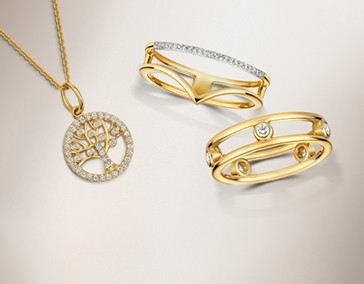
Yellow gold is the most traditional and recognisable gold finish, loved for its rich warmth and timeless appeal. Its colour closely resembles the natural hue of pure gold, giving it a classic look that has remained popular in fine jewellery for generations.
Created by blending pure gold with alloy metals such as silver and copper, yellow gold balances beauty with durability, making it well suited to everything from everyday jewellery to engagement rings designed to last a lifetime.
Yellow gold pairs particularly beautifully with diamonds, helping create a softer, warmer overall appearance, while coloured gemstones can appear richer and more vibrant when set against its golden hue. It’s also a popular choice for vintage-inspired jewellery and heirloom-style designs thanks to its enduring, elegant character.
White Gold
For a more contemporary look, white gold offers a bright, polished finish that feels sleek, refined, and versatile. Its silvery-white appearance is created by combining pure gold with white alloy metals such as palladium or silver, before being finished with a layer of rhodium plating for added brightness and durability.
White gold has become especially popular in engagement rings and diamond jewellery because of the way it enhances a diamond’s brilliance. Its cooler tone creates a clean, modern aesthetic that works beautifully across both minimalist and more detailed jewellery designs.
Thanks to its versatility and polished appearance, white gold remains one of the most popular choices for modern fine jewellery, offering a look that feels both elegant and effortlessly wearable.
Rose Gold
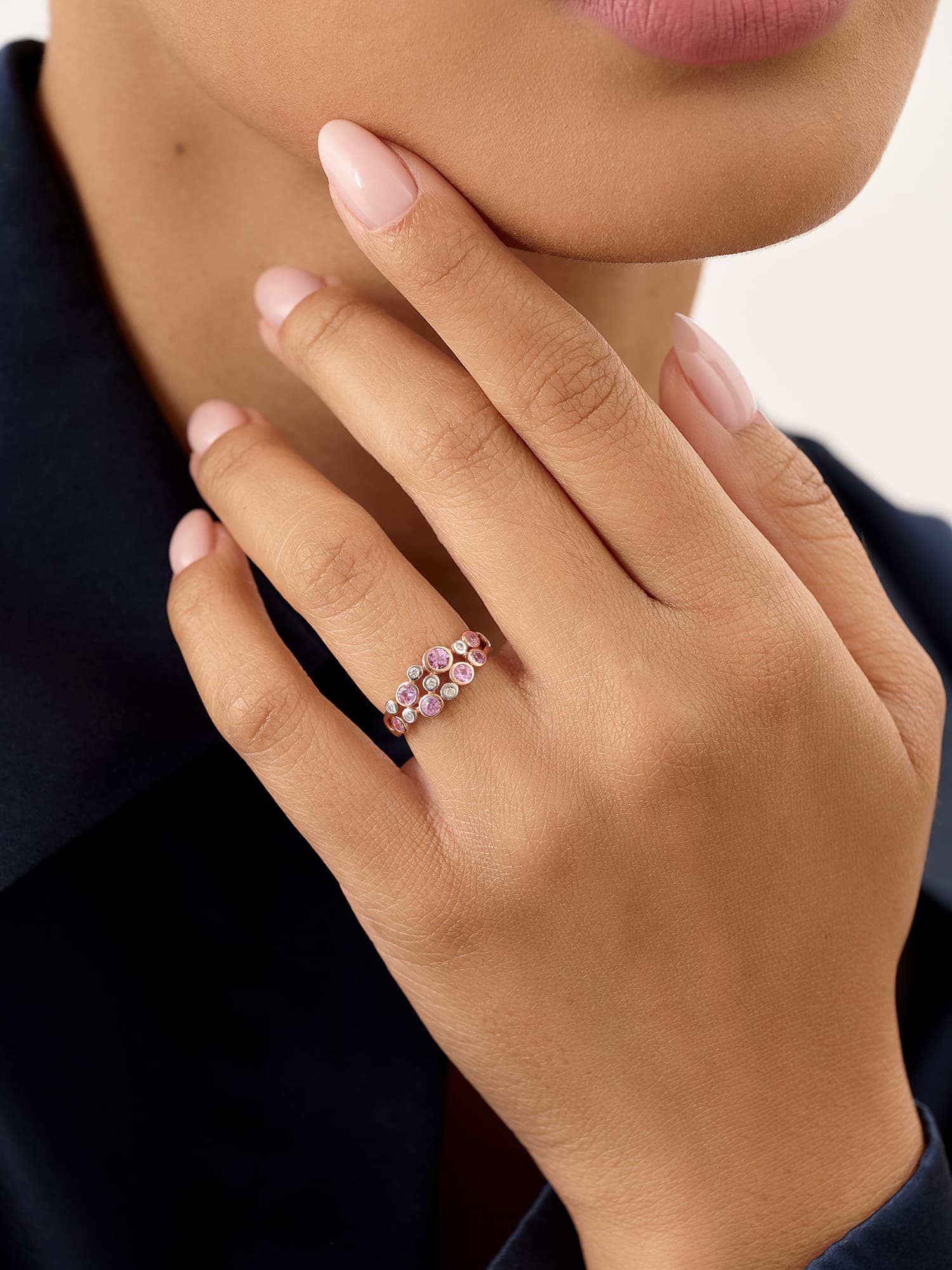
Rose gold is known for its soft blush hue, created by adding a higher copper content to the gold alloy. The result is a warmer, more romantic finish that feels both contemporary and timeless.
Its subtle pink tones have made rose gold especially popular in delicate jewellery, stacking rings, and fashion-led designs, where it adds warmth without feeling overpowering. Rose gold also pairs beautifully with both diamonds and softer-toned gemstones, creating jewellery that feels feminine, modern, and easy to wear.

What Is Hallmarked Gold?
When buying gold jewellery in the UK, hallmarking is one of the clearest signs of authenticity and quality. A hallmark is an official stamp applied to precious metals, confirming that the piece has been independently tested and verified for its gold purity.
Hallmarking provides reassurance that the gold jewellery you’re purchasing is genuine and accurately described. In the UK, this testing is carried out by authorised assay offices, which assess the metal content before the jewellery can legally be sold as gold.
You’ll often see small numbers stamped inside rings or on clasps and settings. These numbers indicate the purity of the gold:
375 = 9-karat gold
585 = 14-karat gold
750 = 18-karat gold
How to Choose the Right Gold Jewellery
Choosing gold jewellery is about more than colour or karat. The right piece should suit your lifestyle, personal style, and how you plan to wear it day to day.
If you’re looking for jewellery designed for everyday wear, durability may be a priority. Lower karat gold, such as 9-karat gold, is often more resistant to scratches and general wear, making it a practical choice for rings, bracelets, and frequently worn pieces. Higher karat gold, including 18-karat gold, offers a richer gold hue and a more luxurious feel, which many people prefer for fine jewellery and occasion pieces.
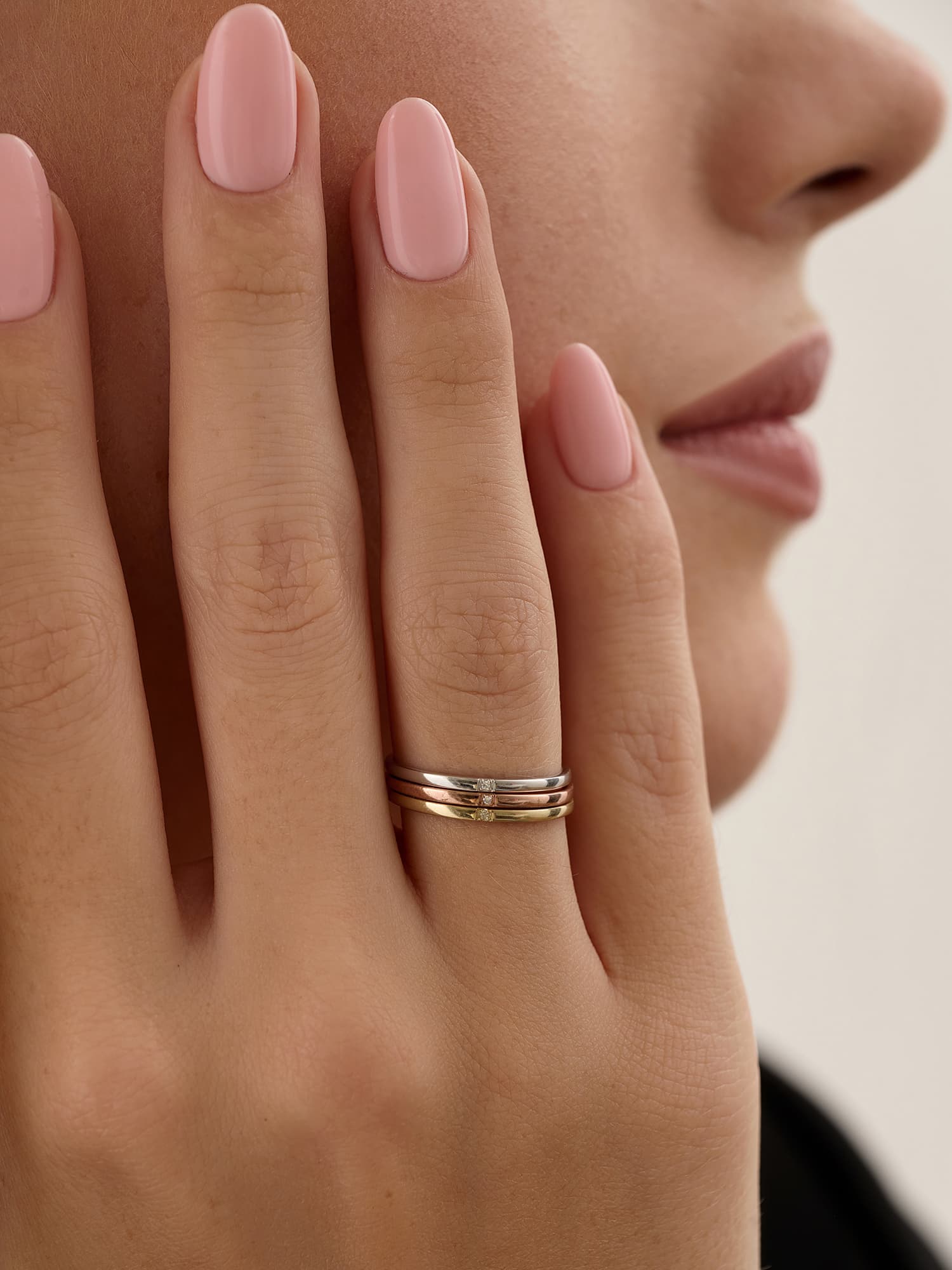
Personal style also plays an important role. Yellow gold offers classic warmth and timeless appeal, while white gold creates a cleaner, more contemporary finish. Some people naturally gravitate towards one metal, while others prefer mixing tones for a more modern, layered look.
It’s equally important to choose jewellery that feels comfortable within your budget. There’s no single “best” type of gold; the right choice is the one that balances appearance, practicality, and quality in a way that feels right for you.

Finding the Gold That Feels Like You
Gold jewellery is deeply personal. Choosing the right gold is ultimately about finding pieces that feel natural to wear and are designed to be enjoyed for years to come.
Explore the Diamonds & Co collection of yellow, white, and rose gold jewellery to discover fine jewellery crafted with lasting quality and timeless style in mind. To help keep your jewellery looking its best, you can also visit our jewellery care guide for advice on cleaning, storage, and long-term care.


Share your #MyDiamondsAndCo favourite looks
Join our community of jewellery lovers and share the forever piece that tells your story.


Credit subject to status and affordability. Terms & Conditions Apply. Charming International Limited trading as Diamonds & Co is not a lender. Credit is subject to status and affordability, and is provided by Mitsubishi HC Capital UK PLC.