



Trends & Style
The Four Precious Stones: Diamonds, Rubies, Sapphires & Emeralds

For centuries, only four gemstones have held the distinction of being truly “precious”: diamond, ruby, sapphire and emerald. Long before modern gemology categorised stones by mineral composition, these four were prized above all others for their rarity, durability and extraordinary beauty.
Across ancient civilisations and royal courts, they were worn as symbols of power, protection and devotion. Their value was not simply aesthetic, it was cultural, emotional and enduring. While today many gemstones are celebrated for their individuality and colour, these four remain at the pinnacle of fine jewellery.
Each carries its own character: the brilliance of a diamond, the intensity of a ruby, the depth of a sapphire and the rich green of an emerald. Together, they represent the foundation of gemstone heritage and continue to shape the world of fine jewellery today.
Diamond: The Ultimate Symbol of Strength
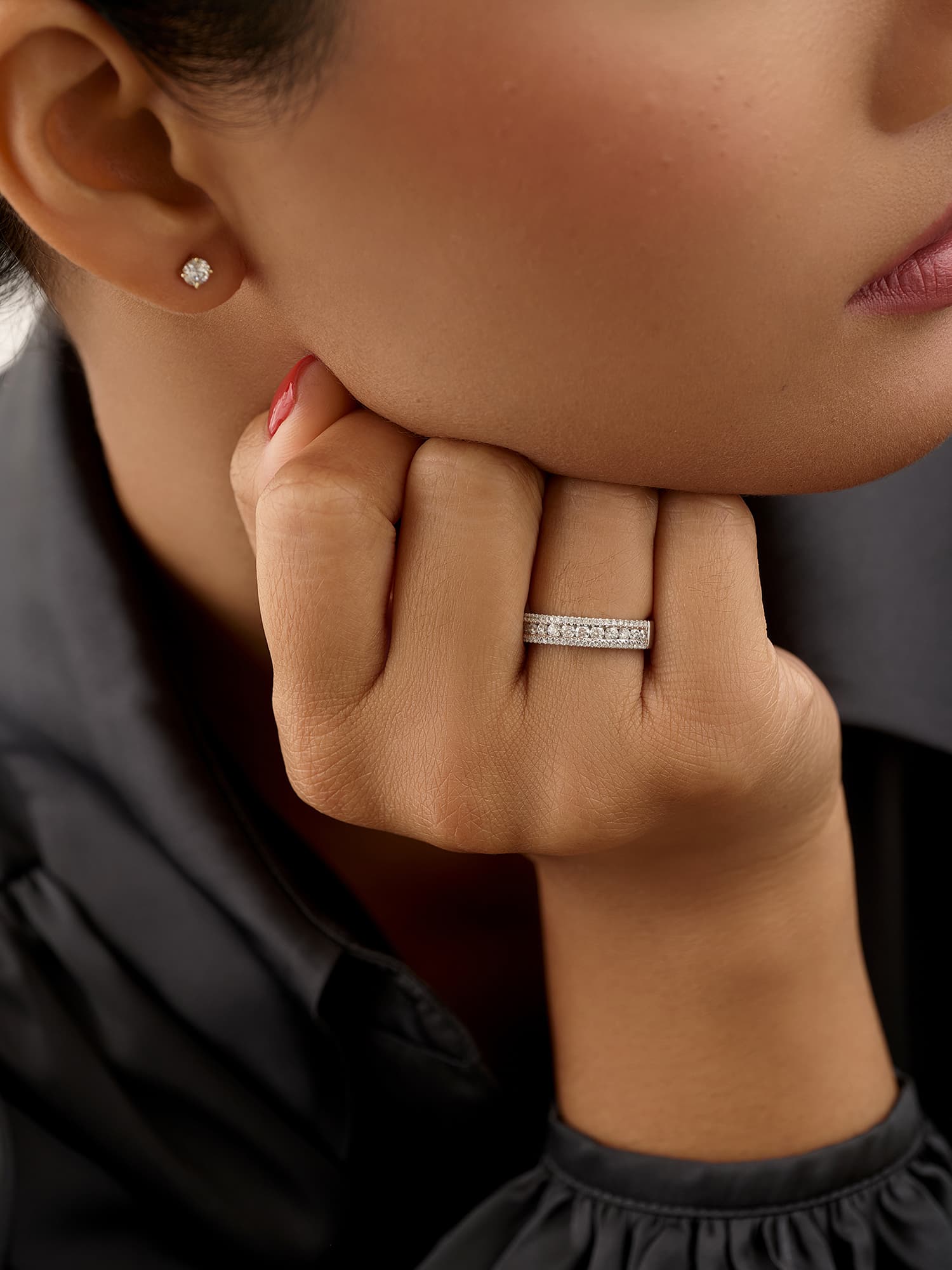
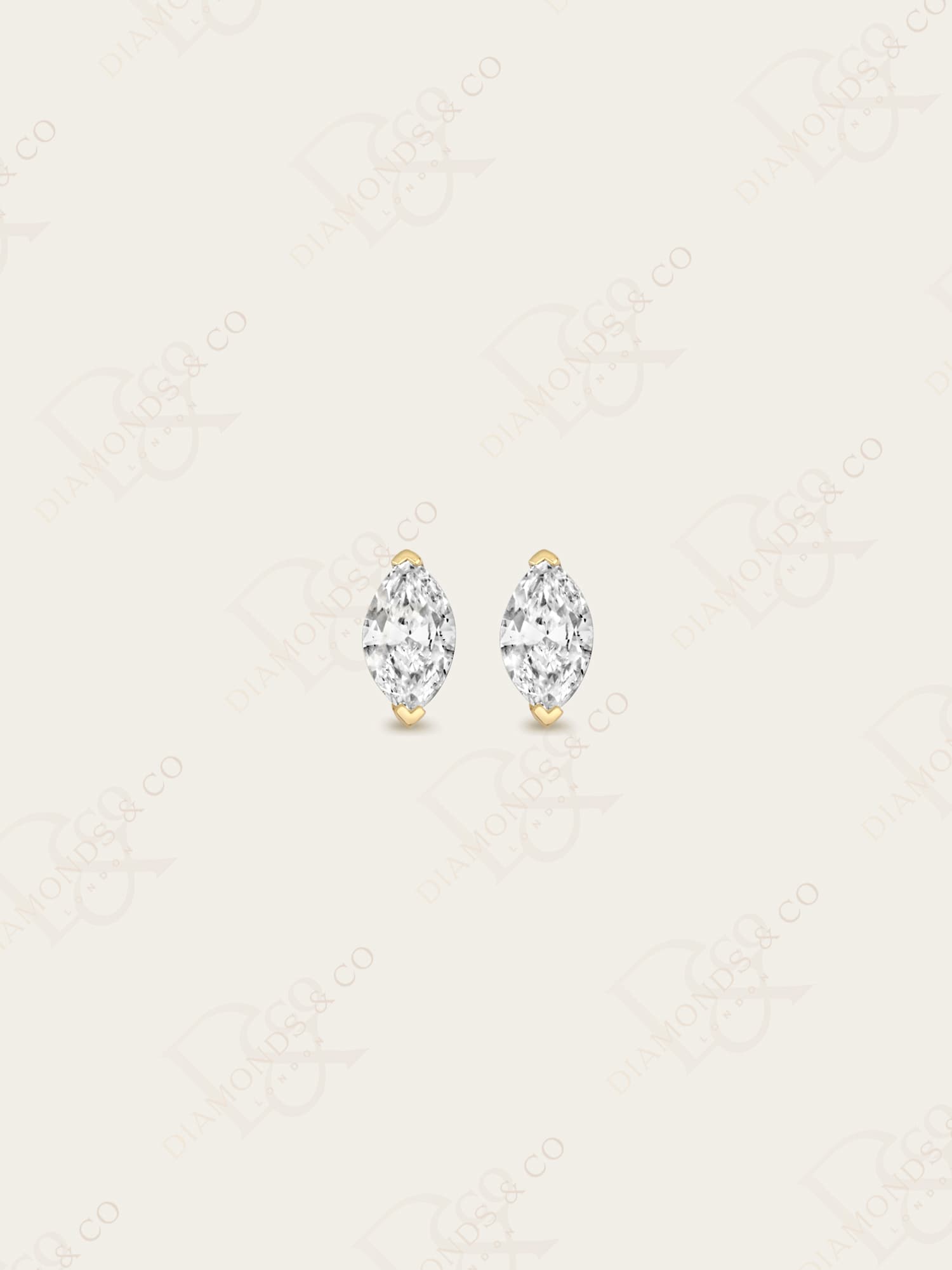
Among the four traditional precious stones, diamond holds a special place, not just for its sparkle, but for its remarkable physical properties and enduring appeal. Historically celebrated across cultures, diamonds have long been associated with strength, purity and eternal love.
Diamonds rank 10 on the Mohs scale of mineral hardness, making them the hardest naturally occurring substance known. Their structure, composed entirely of carbon atoms bonded in a rigid lattice, gives them exceptional resistance to scratching and wear, a key reason why they are so well-suited to everyday jewellery like engagement rings.
This combination of brilliant sparkle and remarkable durability has helped diamond become the most iconic gemstone in fine jewellery. Across centuries, it has been featured in royal regalia, ceremonial artefacts and, in more recent history, as the centrepiece of countless engagement rings.
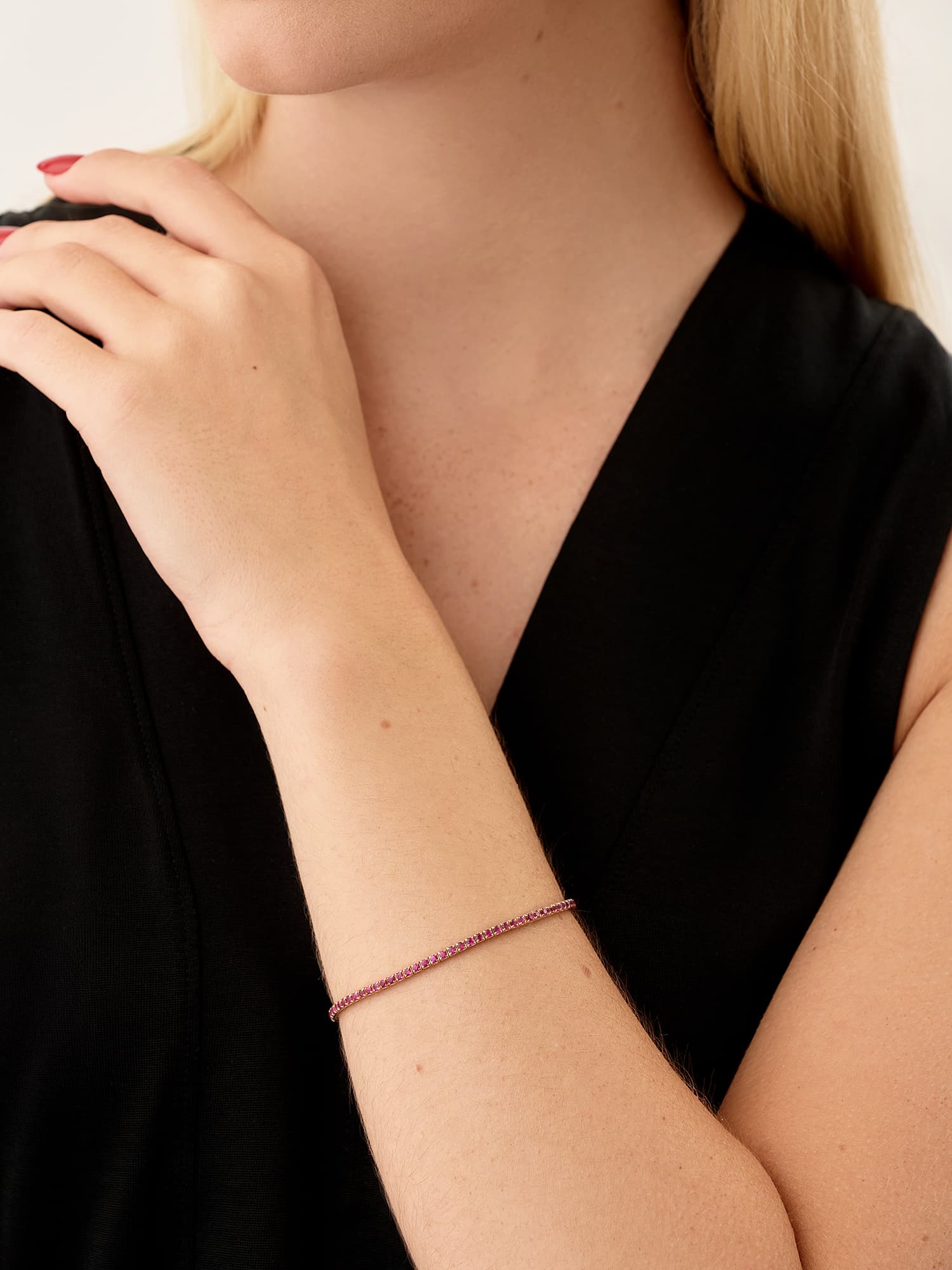
Ruby: The Stone of Passion
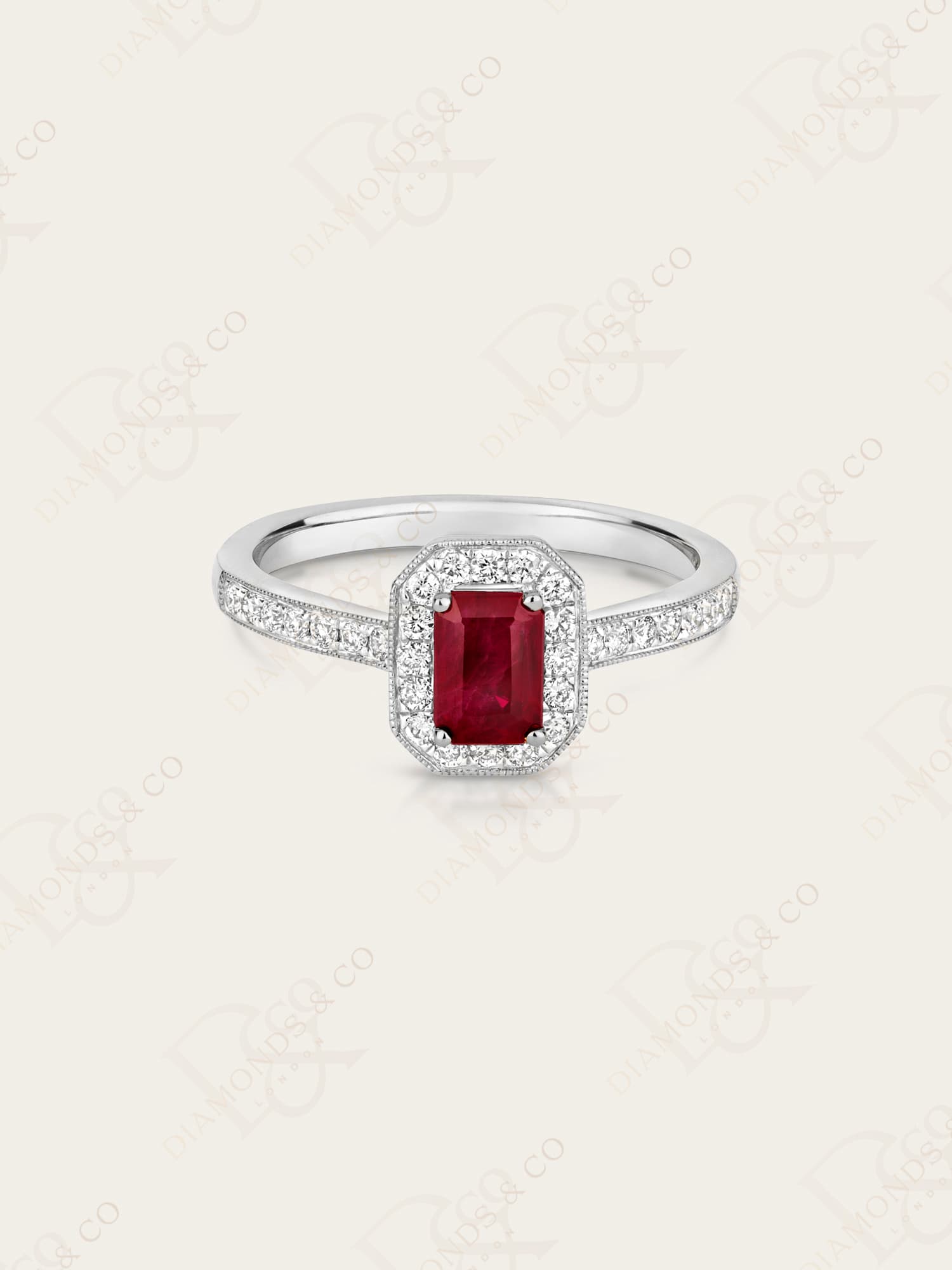
Few gemstones carry the intensity of a ruby. Known for its rich red hue, ruby has long been associated with love, vitality and protection. Its name comes from the Latin ruber, meaning red, a colour historically linked to power and emotion.
Rubies belong to the mineral family corundum, the same family as sapphires, and rank 9 on the Mohs scale of hardness, making them one of the most durable gemstones used in fine jewellery and most valuable variety of the corundum mineral species. This strength allows rubies to be worn regularly, while still retaining their depth of colour and brilliance.
Throughout history, rubies have been favoured by royalty and nobility. In ancient Burma (modern-day Myanmar), warriors believed rubies offered protection in battle, while European aristocracy prized them as symbols of wealth and status. The most valuable rubies display a vivid, saturated red often referred to as “pigeon blood” - a term used within the trade to describe the finest colour quality. Stones of this calibre are exceptionally rare, which contributes to ruby’s continued classification as one of the four precious gemstones.
Sapphire: Wisdom and Royalty
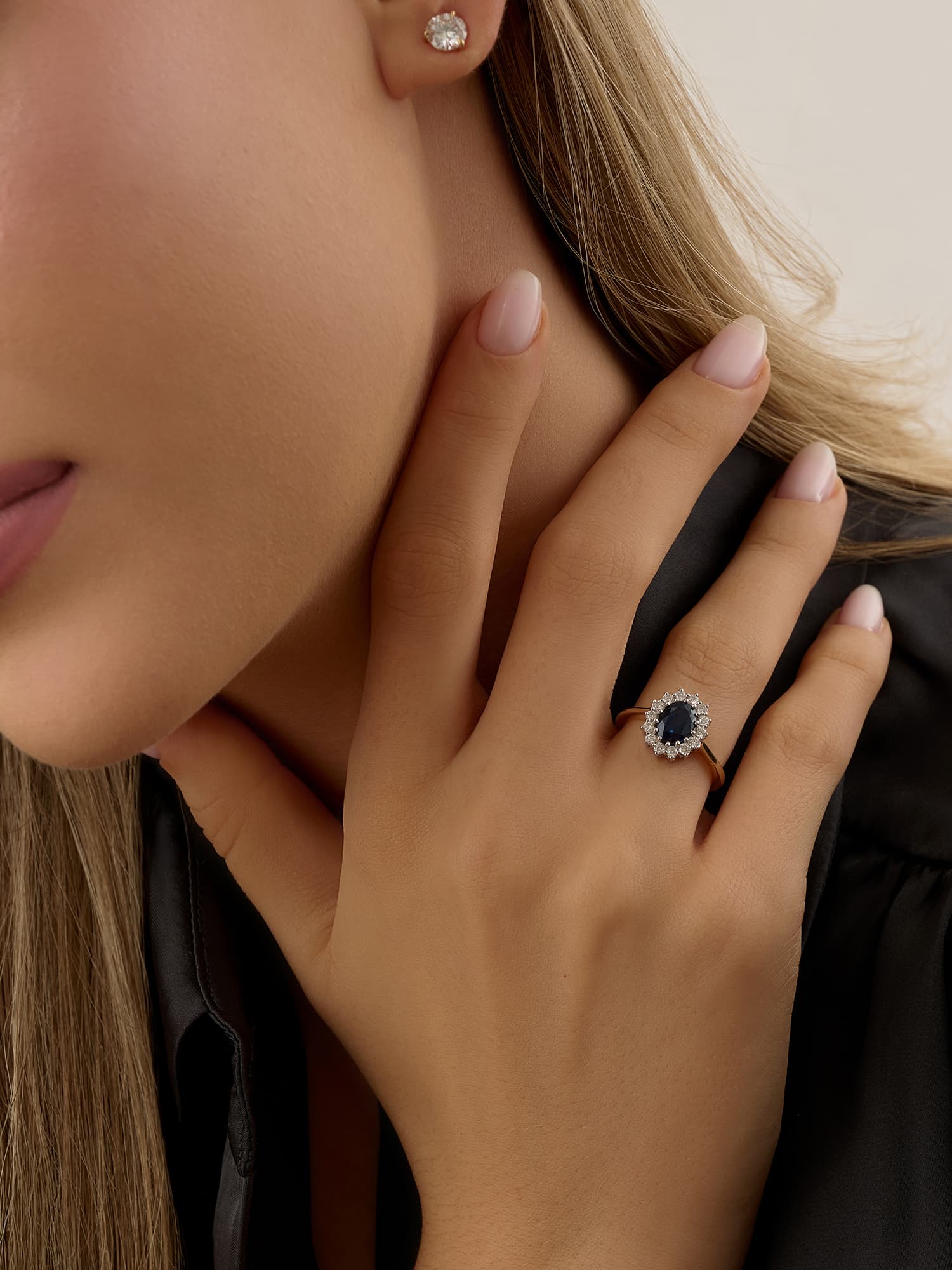
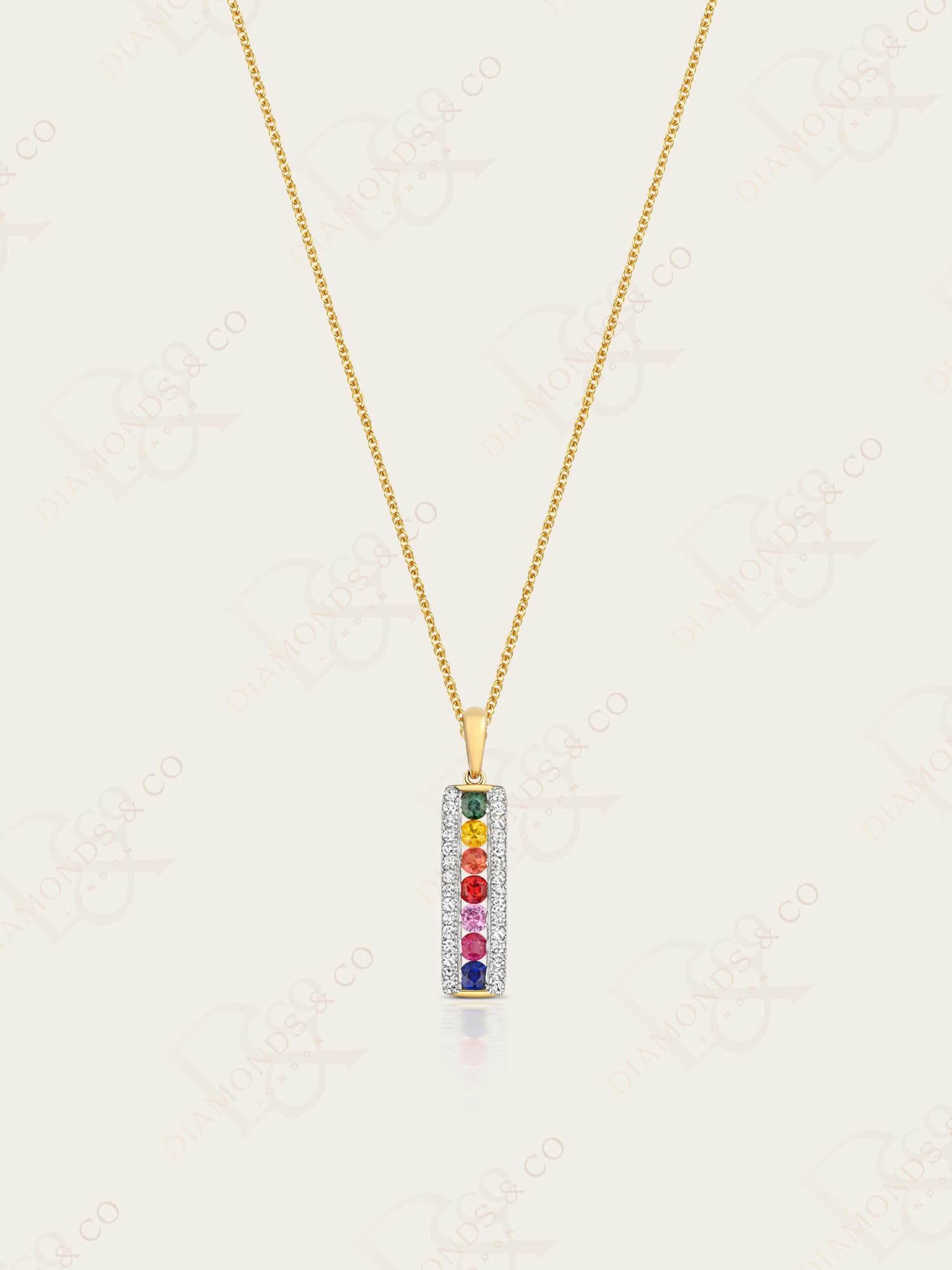
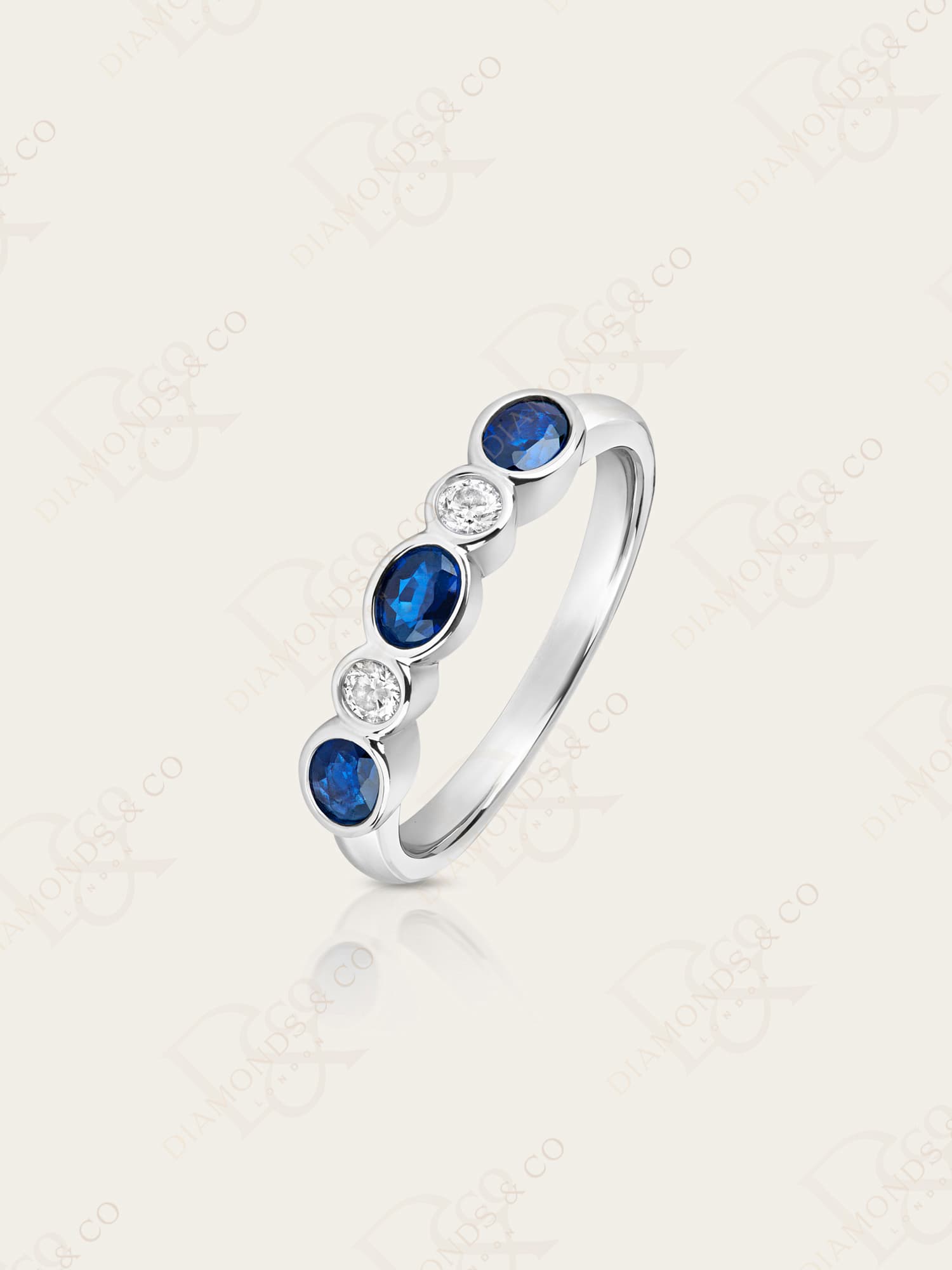
Sapphire is most commonly associated with deep royal blue, but this precious gemstone exists in a wide spectrum of colours, from pink and yellow to green and even colourless varieties. All sapphires, except red (which are classified as rubies), belong to the mineral corundum family.
Like ruby, sapphire ranks 9 on the Mohs scale of hardness, making it highly durable and well suited to everyday jewellery, including engagement rings. Its strength, combined with its rich colour saturation, has contributed to its enduring popularity for centuries.
Historically, sapphires were believed to symbolise wisdom, loyalty and nobility. Medieval clergy wore blue sapphires to represent heaven, while European royalty favoured the stone as a sign of integrity and protection. Today, sapphire remains one of the most versatile of the precious stones. Set in white gold, it feels crisp and regal; paired with yellow gold, it takes on warmth and depth. Whether chosen for its symbolism or its colour, sapphire offers a refined balance of durability, heritage and distinction.
Emerald: The Stone of Renewal
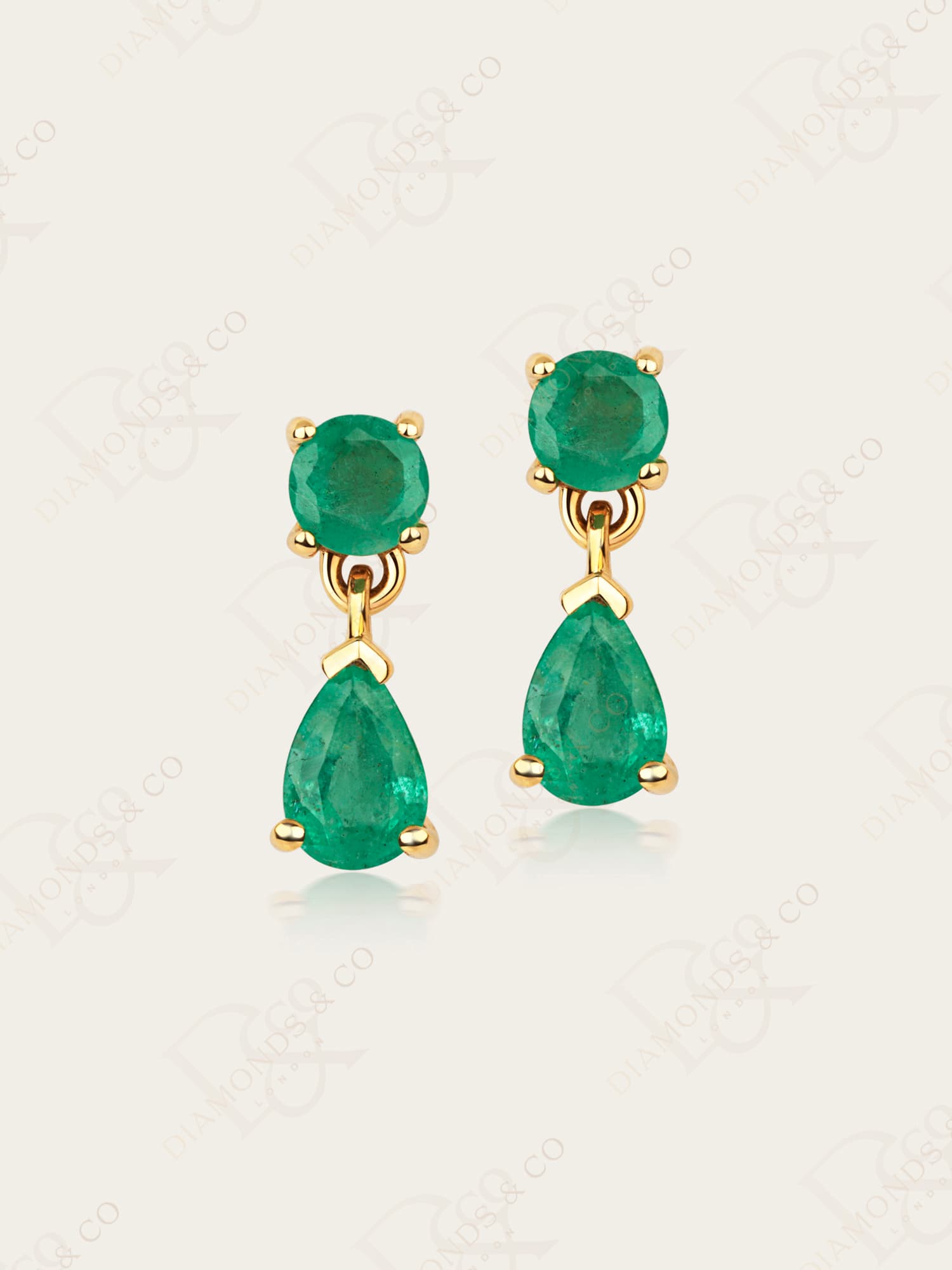
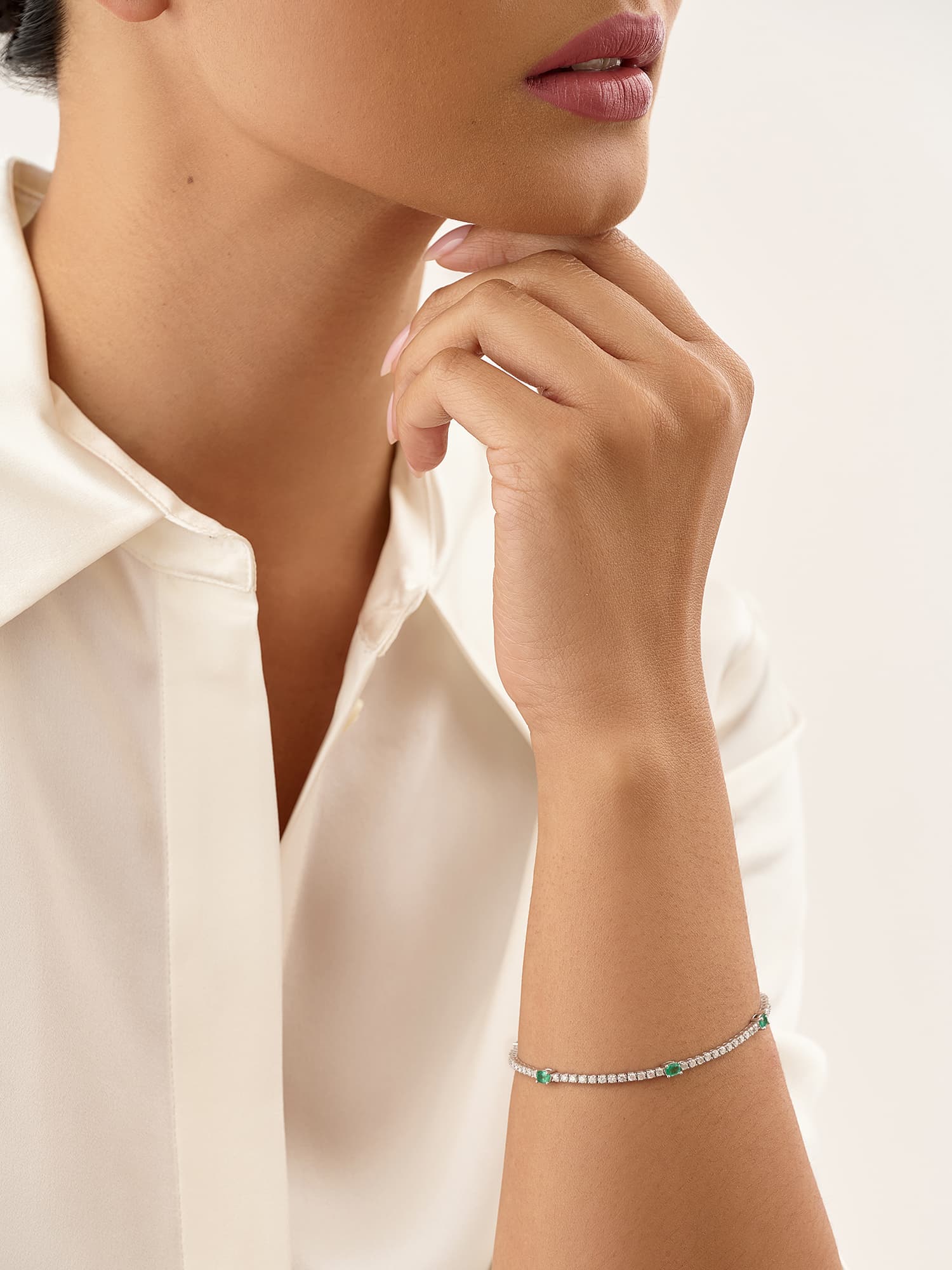
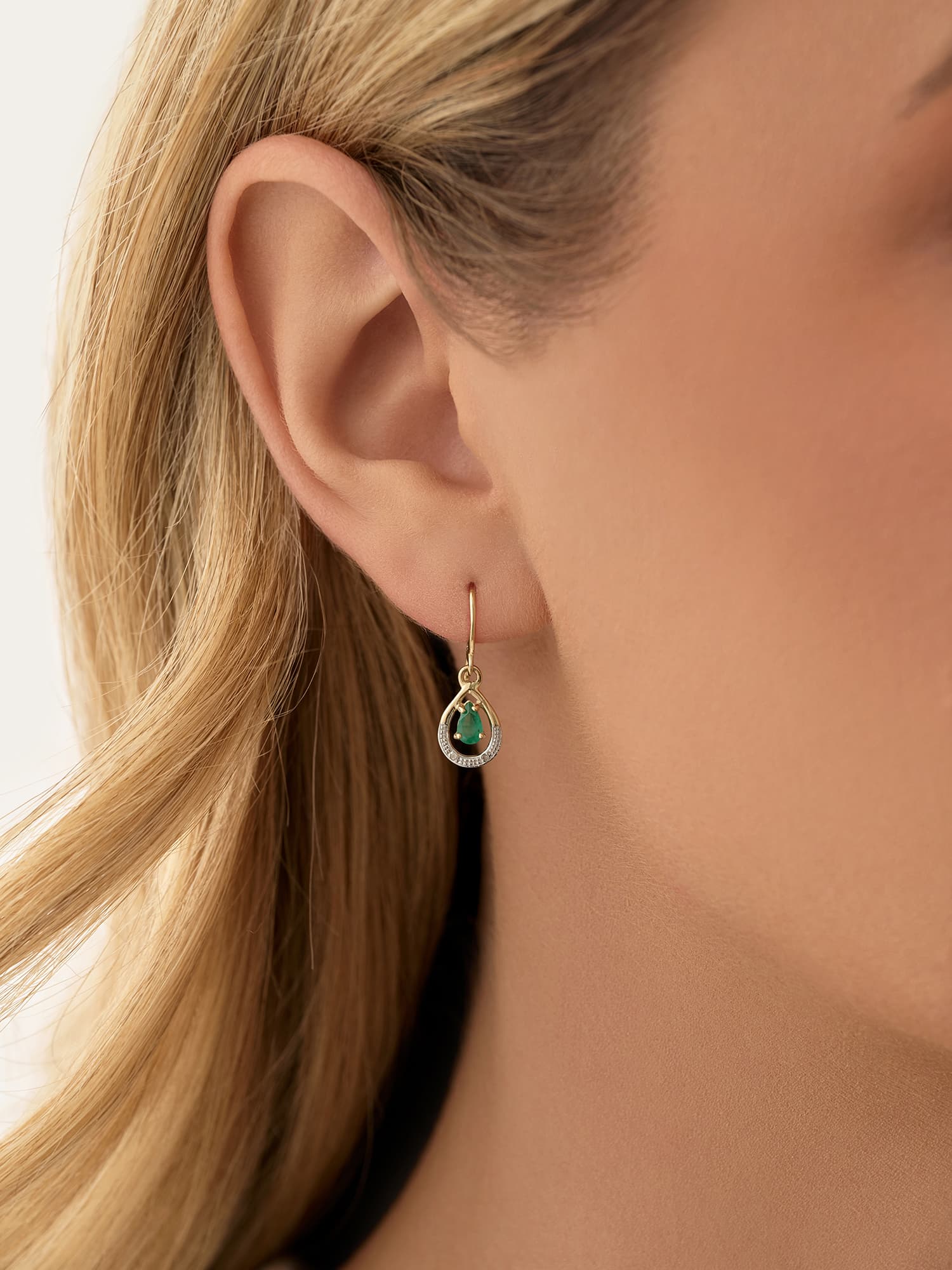
Emerald is instantly recognisable for its rich green hue, a colour long associated with growth, renewal and prosperity. Unlike diamond, ruby and sapphire, which are prized primarily for brilliance and clarity, emerald is celebrated for its depth of colour and distinctive internal character.
Emerald belongs to the mineral family beryl, the same group as aquamarine, and ranks between 7.5 and 8 on the Mohs scale of hardness. While slightly softer than diamond, ruby and sapphire, emerald remains suitable for fine jewellery when properly set and cared for.
Most emeralds contain natural inclusions, often referred to as jardin due to their moss-like appearance. Rather than diminishing value, these inclusions are widely accepted as part of the gemstone’s identity, contributing to its unique character and authenticity.
Historically, emeralds were treasured by ancient civilisations. Cleopatra was famously known for her admiration of emeralds, and the stone has long symbolised rebirth and fertility in various cultures. In jewellery design, emerald’s saturated green pairs beautifully with yellow gold, enhancing its warmth, while white gold settings create a crisp contrast that emphasises colour intensity. Emeralds are also frequently cut in the classic “emerald cut”, a rectangular step cut that highlights clarity and tone rather than sparkle.
Why These Four?
The distinction between “precious” and “semi-precious” stones dates back centuries, long before modern gemology introduced scientific classification. Historically, gemstones were valued based on a combination of rarity, durability and beauty, and by these measures, diamond, ruby, sapphire and emerald stood apart. Celebrated throughout history in royal collections, sacred objects and works of art, they remain powerful cultural icons as well as extraordinary natural treasures to this day.
Today, gemologists no longer formally categorise stones as “precious” or “semi-precious” in scientific terms. However, the traditional designation endures in culture and fine jewellery. These four stones remain benchmarks of rarity and craftsmanship, not only because of history, but because of their desirability and performance in jewellery.
Choosing the Right Precious Stone Jewellery for You
Each of the four precious stones carries its own character. While history defines their rarity, personal preference ultimately defines the right choice.
A diamond suits those drawn to brilliance and enduring simplicity. Its exceptional durability makes it ideal for everyday wear, particularly in engagement rings. If you value versatility and timeless appeal, diamond remains unmatched.
A ruby offers depth and intensity. Its rich red hue feels confident and expressive, a stone often chosen by those who favour warmth, boldness and symbolism tied to passion and vitality.
An emerald feels distinctive and romantic. Its saturated green tone carries a sense of heritage and individuality, appealing to those who prefer character and depth over brilliance alone.
When choosing between these stones, consider how you wear jewellery. Think about your lifestyle, the metals you naturally gravitate towards, and whether you prefer subtle elegance or vibrant colour. The right gemstone should feel aligned with your taste, something you’ll reach for instinctively and wear with confidence.
A Legacy Set in Stone
While trends evolve, their appeal remains constant. Each stone offers its own story, whether through brilliance, colour, heritage or symbolism, and each can become something deeply personal once set in jewellery.
At Diamonds & Co, we’ve always been drawn to the character and history of these remarkable stones. From the brilliance of diamonds to the depth of emeralds, working with such enduring materials is at the heart of what we do. Our curated collections celebrate each of the four precious gemstones in designs intended to be worn, treasured and appreciated for years to come.


Share your #MyDiamondsAndCo favourite looks
Join our community of jewellery lovers and share the forever piece that tells your story.


Credit subject to status and affordability. Terms & Conditions Apply. Charming International Limited trading as Diamonds & Co is not a lender. Credit is subject to status and affordability, and is provided by Mitsubishi HC Capital UK PLC.